

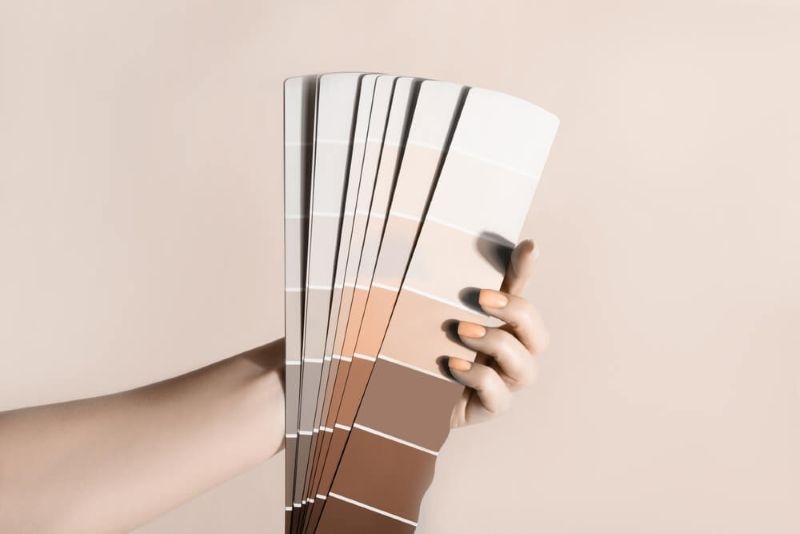
Interior design is no longer chasing perfection. That shift shows up clearly in the interior design color trends taking shape in 2026. Homes are starting to look more personal and less staged. Color choices feel slower, warmer, and more deliberate than they did a few years ago.
For a long time, interiors followed a predictable formula. White walls, gray sofas, black accents. It worked, but it also flattened personality. The interior color trends now moving into focus are reacting to that sameness. People want rooms that feel lived in, not edited for photos.
The 2026 color trends reflect that change. They favor comfort over contrast, depth over brightness, and colors that still make sense after the novelty wears off. These are not experimental palettes. They are practical ones.
One thing stands out across current interior design color trends. There is less pressure to follow a single look. Instead of copying what works in someone else’s home, people are choosing colors based on how they use their own space.
That shift explains why color palettes feel more varied. A living room might lean warm and earthy, while the kitchen feels calm and muted. Bedrooms are softer. Offices are darker. There is no rule that everything has to match perfectly anymore.
Interior design color trends in 2026 are less about what is popular and more about what feels right long term.
Cool gray had a long run, but it no longer feels inviting. That is why warmer neutrals are now at the center of interior color trends.
Shades like sand, light clay, mushroom, and warm taupe are taking over walls that once defaulted to gray. These colors do not feel blank, but they also do not compete with furniture or art. They hold a room together quietly.
In home color trends 2026, warm neutrals are often used across large areas to create consistency. They also work better with natural materials, which explains their growing popularity.
Green has been trending for a while, but the tone has matured. Bright or overly saturated greens feel dated now. The greens showing up in interior design color trends today are softer and more grounded.
Sage, olive, eucalyptus, and mineral green are common choices. These shades feel familiar. They do not announce themselves when you walk into a room. They settle in.
Kitchens are one of the biggest adopters. Green cabinets feel calmer than navy and warmer than gray. Bedrooms use green to create a relaxed atmosphere without leaning cold. In home color trends 2026, green is no longer treated as an accent color. It is treated as a base.
Blue has changed as well. Instead of sharp navy or crisp coastal shades, softer blues are taking over.
Sky blue, dusty blue, and gray-blue tones are appearing more often in modern interior colors. These blues reflect light without making a room feel stark. They work especially well in spaces where people want quiet rather than energy.
As part of trending paint colors 2026, blue is often chosen by homeowners who want color but are hesitant to commit to something bold. These shades feel safe, but not boring.
One of the clearer 2026 color trends is the return of warm reds and orange based tones. Not bright reds. Not statement walls everywhere. The colors showing up now are deeper and more muted.
Rust, terracotta, brick red, and burnt orange are being used where warmth is needed. A single wall. Upholstery. Built-ins. These colors add weight and character without overwhelming a space.
Within interior design color trends, these shades work best when paired with warm neutrals and natural textures. When overused, they feel heavy. When used carefully, they feel intentional.
White has not disappeared, but bright white has lost favor. It often feels unfinished or harsh, especially in rooms without strong natural light.
Cream, off white, and soft ivory are now more common across interior color trends. These whites still open up a space, but they add warmth instead of glare.
In home color trends 2026, softer whites are often used to connect rooms without making everything look the same. They give flexibility without looking sterile.
Yellow used to feel risky. That is changing, but slowly.
Muted yellows like ochre, butter yellow, and soft mustard are showing up in modern interior colors. These shades do not dominate a room. They lift it.
You see them in chairs, cushions, lampshades, and sometimes a single wall. Used sparingly, they bring warmth without forcing attention. That subtlety is why they fit into interior design color trends now.
Deep shades are no longer avoided, but they are not everywhere either.
Charcoal, plum, burgundy, and soft black are being used in specific spaces. Offices, powder rooms, and reading areas benefit the most. These colors create focus and depth.
This selective use shows how interior color trends are becoming more intentional. Dark colors are no longer about drama. They are about purpose.
Looking across trending paint colors 2026, one thing becomes clear. These palettes are designed for longevity.
Warm neutrals, grounded greens, soft blues, and earthy reds appear again and again. These are not colors chosen for shock value. They are chosen because they work in real homes with real light and real wear.
That consistency explains why these shades are becoming core modern interior colors rather than short-lived trends.
You do not need to follow every interior design color trend to update your home. In fact, trying to do too much often backfires.
Start with how a room is used. Choose colors that support that function. Test samples properly. Look at them in morning light and evening light.
Use stronger colors where they add value. Keep larger areas calm. The best interior color trends do not feel trendy. They feel settled.
Interior design color trends for 2026 focus on warm neutrals, muted greens, soft blues, creamy whites, and selective use of earthy reds and deeper shades.
Yes, but they are used sparingly. Home color trends 2026 favor bold colors in focused areas like furniture, accent walls, or built-ins.
Trending paint colors 2026 should be chosen based on lighting, room use, and longevity. Colors that feel comfortable after repeated exposure tend to age better.
This content was created by AI